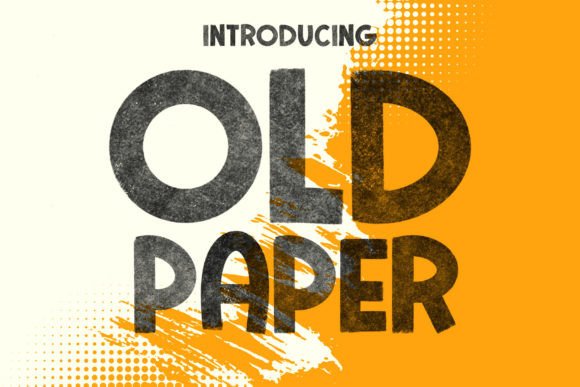
Old Paper: A Decorative Font for Creative Branding
As a brand designer and content marketer, I've reviewed countless graphic design assets over the years. Old Paper stands out as a unique addition to any creative design toolkit. This handwritten Bitmap font brings warmth and character to visual projects, making it ideal for branding that needs a personal touch.
First Impressions of Old Paper
Old Paper immediately evokes a sense of nostalgia and authenticity. The irregular strokes and natural imperfections give it a handmade feel, which can be incredibly powerful in building emotional connections with audiences. It's perfect for lifestyle content, artisanal products, or any brand looking to convey a story through its visuals.
The mood it creates is casual yet elegant. It feels like a handwritten note from a friend—personal, approachable, and full of character. This emotional tone makes it suitable for small business branding, event promotions, and editorial graphics where a human touch is essential.
Old Paper in Real Marketing Projects
Imagine launching a new product line for a boutique candle company. Old Paper could be used to create eye-catching Instagram posts, Pinterest pins, and packaging labels that reflect the brand's handcrafted nature. Its decorative style adds visual interest without overwhelming the message, ensuring that the focus remains on the product itself.
In social media graphics, Old Paper works well for captions, headlines, and call-to-action buttons. It helps establish a clear visual hierarchy by drawing attention to key messages while maintaining a cohesive look across all platforms. For digital ads, it can be used sparingly to add personality without compromising readability.
When designing website headers or email banners, Old Paper adds a layer of sophistication. It pairs beautifully with clean layouts, allowing the font to stand out while complementing other design elements. In print materials such as flyers, posters, and merchandise, it enhances the tactile experience, making the brand feel more tangible and real.
Supporting Marketing Goals with Old Paper
Old Paper contributes to stronger first impressions by creating an instant emotional connection. Its use in branded templates, Canva templates, and content bundles ensures consistent branding across all marketing channels. This consistency builds audience trust and recognition, reinforcing the brand identity over time.
It also supports better product presentation by aligning with the aesthetics of handmade or artisanal goods. Whether used in packaging accents or promotional banners, Old Paper elevates the visual appeal of the brand, making it more memorable and engaging for potential customers.
Where Old Paper Works Best
Old Paper shines in hero graphics, campaign headers, and product launch visuals where a bold, expressive typeface is needed. It’s particularly effective in editorial layouts, lead magnets, and media kits that require a decorative yet professional appearance. As part of a design bundle, it can enhance SVG designs, PNG designs, and clipart elements with a unique personality.
For brands aiming to build a strong presence on Pinterest or Instagram, Old Paper can be a valuable asset. It adds visual interest to social media covers, blog graphics, and promotional banners, helping content stand out in crowded feeds.
Using Old Paper with Caution
While Old Paper is versatile, it should be used carefully in formal corporate branding or dense information layouts. Its decorative nature may not suit overly minimal brands or text-heavy ads where clarity is crucial. It’s best avoided on small mobile graphics or low-contrast backgrounds where readability could be compromised.
Testing Old Paper with the brand color palette is essential to ensure it complements the overall visual identity. Checking black and white usage will help determine if it maintains legibility in different contexts. Previewing it on mobile screens and testing readability in small sizes are also important steps before finalizing any design.
Practical Brand Designer Notes
Before integrating Old Paper into a campaign, consider how it pairs with other fonts such as serif, sans serif, script, or display fonts. Review spacing and balance to maintain a professional appearance. Confirm commercial licensing before using it in paid campaigns, client work, or business branding to avoid legal issues.
Place Old Paper inside real campaign mockups to see how it performs alongside other design elements. Compare it against competitor visuals to ensure it aligns with the brand's positioning. Testing it in various formats, including printable designs, web design, and digital product visuals, will help uncover its full potential.
Old Paper is more than just a decorative font—it's a tool for storytelling, connection, and creativity. When used thoughtfully, it can elevate brand communication, support content marketing efforts, and leave a lasting impression on audiences.